
ARQUITECTURA
Puerta de Brandeburgo: arenisca estructural en un símbolo neoclásico berlinés
STONEGAL · ARQUITECTURA
Alemania
La Puerta de Brandeburgo, diseñada por Carl Gotthard Langhans y construida entre 1788 y 1791, es un monumento representativo de la arquitectura neoclásica en Alemania, cuyo carácter y perdurabilidad descansan en el uso estructural de la piedra arenisca.
Situada en el centro histórico de Berlín, la Puerta de Brandeburgo destaca como uno de los símbolos arquitectónicos más icónicos de Alemania. Fue concebida a finales del siglo XVIII por el arquitecto Carl Gotthard Langhans y finalizada en 1791. Enmarcada dentro del periodo neoclásico, esta obra refleja la influencia de la antigüedad clásica, donde el rigor estructural y la monumentalidad están estrechamente ligados a los materiales empleados y su apariencia.
La elección de piedra natural, específicamente arenisca, para la construcción de la Puerta de Brandeburgo no solo responde a criterios estéticos, sino también a necesidades estructurales. La arenisca fue empleada como piedra estructural, conformando los elementos principales que sostienen el monumento y le otorgan estabilidad y durabilidad a lo largo de los siglos.
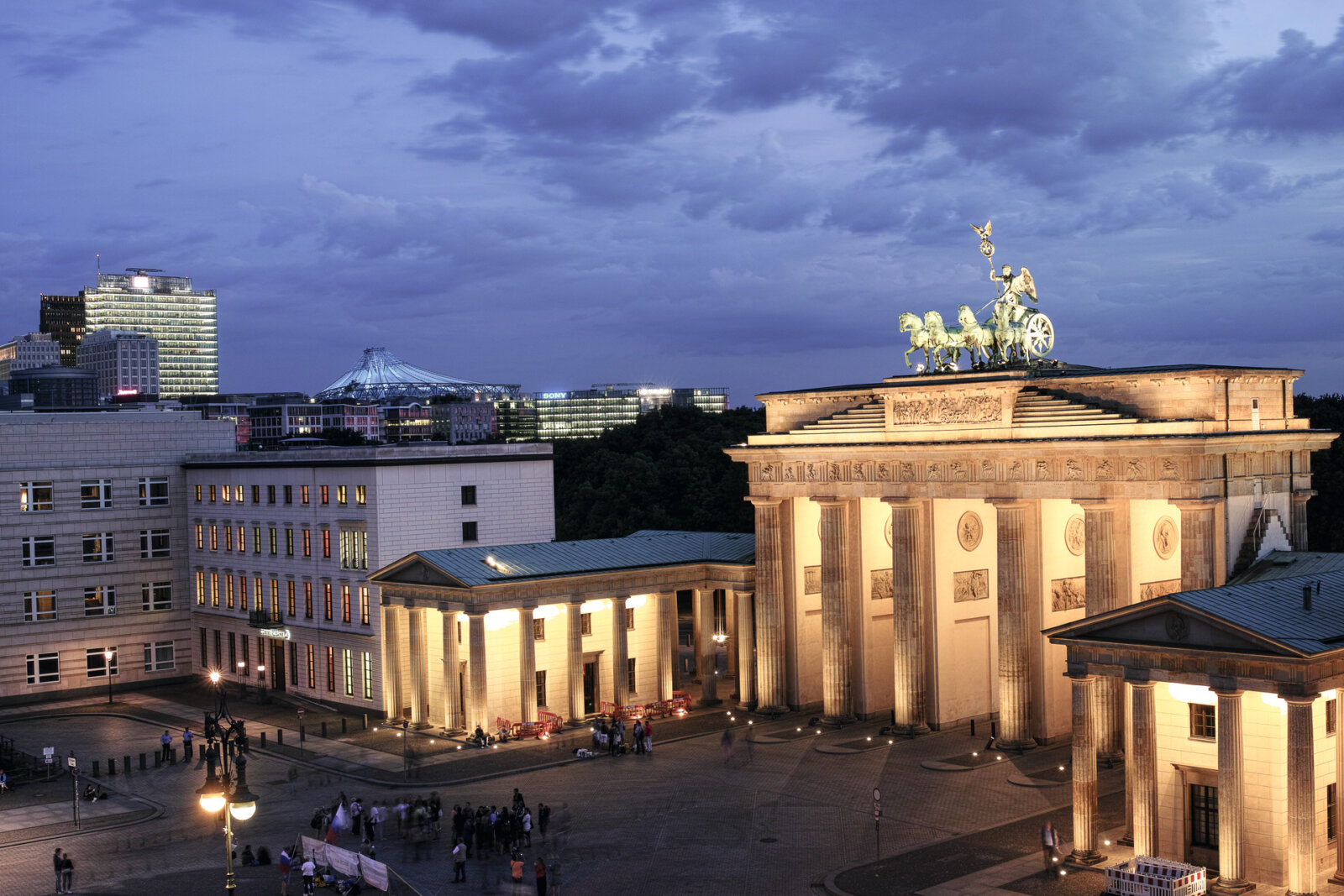
El uso de la arenisca proporciona un soporte sólido y, al mismo tiempo, una textura que contribuye a la presencia monumental del monumento.
La textura granulada y la tonalidad natural de la arenisca amplifican el efecto visual neoclásico, otorgando personalidad y carácter al conjunto arquitectónico.
La escala de la Puerta junto a la elección del material natural permite un diálogo visual entre el pasado clásico y la ciudad contemporánea.
La piedra arenisca conforma tanto los elementos estructurales como los detalles, evidenciando su rol integral en la obra.


STONEGAL · ARCHITECTURE
Brandenburg Gate: Structural Sandstone in a Berlin Neoclassical Landmark
Alemania
The Brandenburg Gate, designed by Carl Gotthard Langhans and constructed between 1788 and 1791, is a representative monument of neoclassical architecture in Germany, whose character and longevity rely on the structural use of sandstone.
Located in Berlin's historic center, the Brandenburg Gate stands out as one of Germany's most iconic architectural symbols. Conceived in the late 18th century by architect Carl Gotthard Langhans and completed in 1791, this work belongs to the neoclassical period and reflects the influence of classical antiquity, where structural rigor and monumentality are closely linked to the materials used and their appearance.
The choice of natural stone, specifically sandstone, for the construction of the Brandenburg Gate responded not only to aesthetic criteria but also to structural needs. Sandstone was employed as a structural stone, forming the main elements that support the monument and provide stability and durability throughout the centuries.
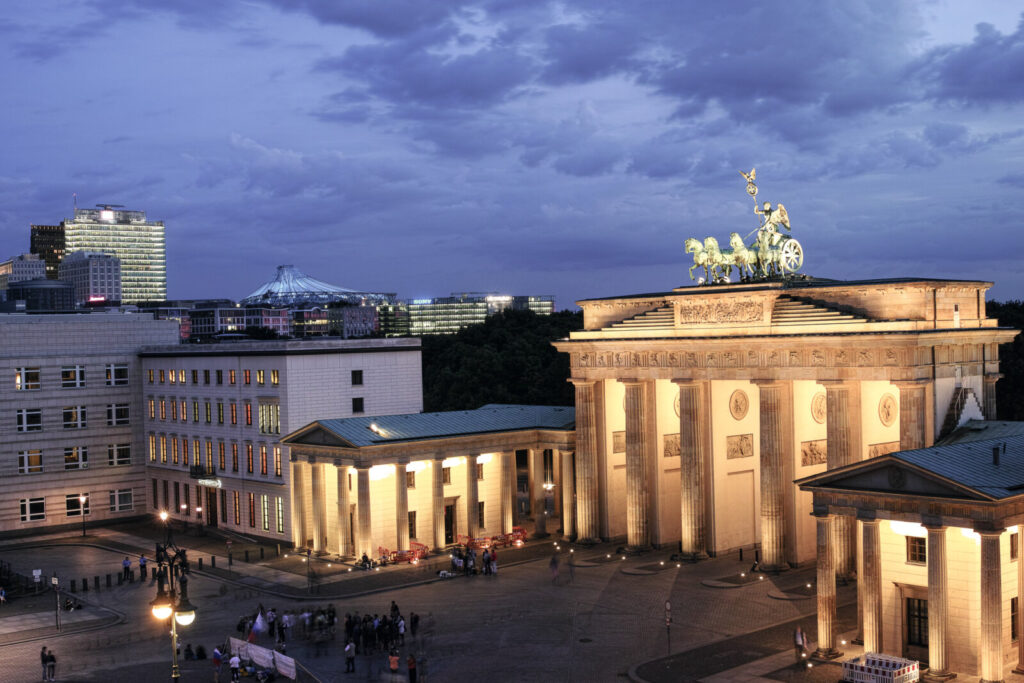
The use of sandstone provides a solid support while offering a texture that contributes to the monument's commanding presence.
The granular texture and natural tones of the sandstone amplify the neoclassical visual effect, lending personality and character to the architectural ensemble.
The Gate’s scale combined with the selection of natural material enables a visual dialogue between classical past and contemporary city.
Sandstone composes both structural elements and details, demonstrating its integral role in the work.