
ARQUITECTURA
Machu Picchu: Arquitectura Inca en Granito y Andesita

STONEGAL · ARQUITECTURA
Peru
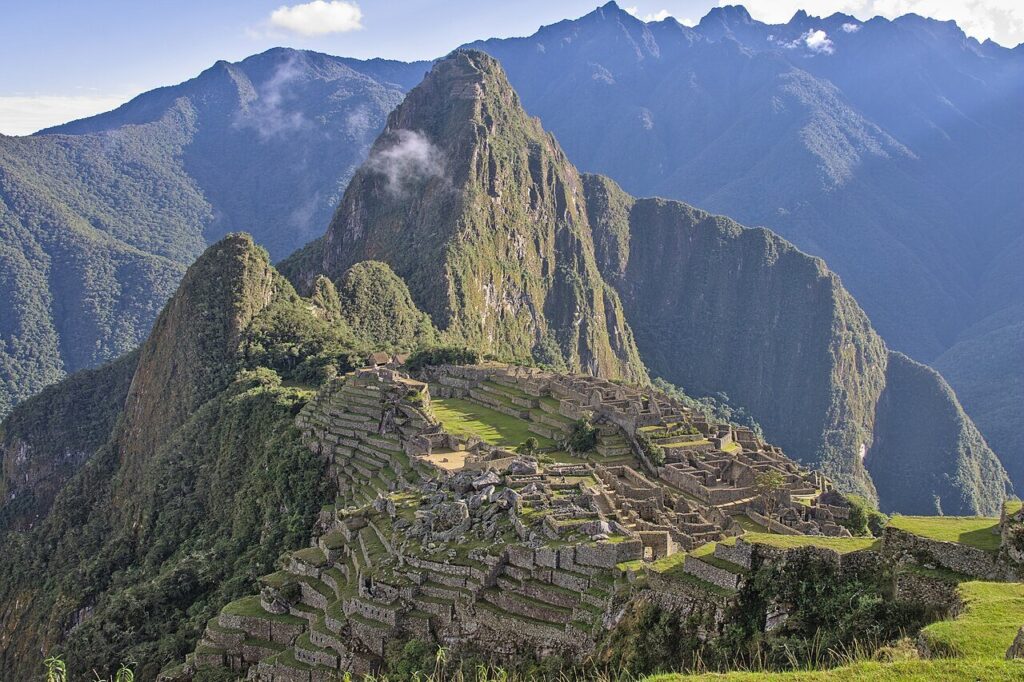
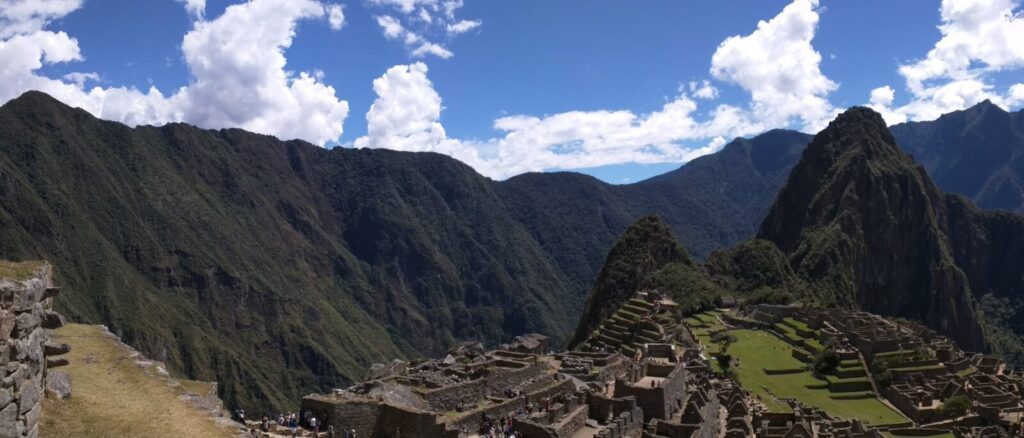
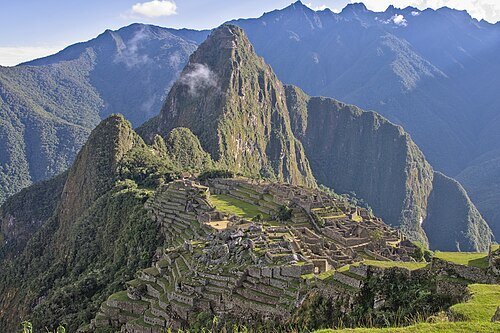
Construida entre 1450 y 1470 en la región del Cusco, Machu Picchu es una ciudadela que ilustra el uso esencial del granito y la andesita en la arquitectura Inca, aplicados en terrazas, templos y estructuras urbanas para asegurar durabilidad y adaptación al contexto montañoso.
Situada en la región de Cusco, Perú, la ciudadela de Machu Picchu fue levantada a mediados del siglo XV por la civilización Inca. Su importancia histórica y monumentalidad la convierten en uno de los ejemplos más emblemáticos de arquitectura precolombina, donde los materiales naturales han tenido un papel central para garantizar la estabilidad y perdurabilidad del conjunto.
El granito, presente en abundancia en la región, fue usado principalmente en aplicaciones estructurales, mostrando la técnica impecable de tallado y ensamblaje que caracteriza a la arquitectura Inca. Este material, junto con la andesita, conforma las terrazas escalonadas, templos y zonas urbanas, permitiendo una adaptación precisa al terreno escarpado y aportando solidez a las construcciones.
Granito empleado como elemento estructural fundamental en Machu Picchu.
Andesita combinada con granito para construcciones variadas como terrazas y templos.
Técnicas de cantería que permiten encajar la piedra con precisión sin mortero.
Adaptación de la arquitectura al paisaje montañoso y su integración visual.
Uso de piedra natural local para asegurar durabilidad y resistencia.
Texturas y escalas del granito que armonizan con el entorno natural.
Aplicaciones en paredes, plataformas y estructuras de soporte.
La monumentalidad del conjunto basada en la correcta elección y colocación del material.
STONEGAL · ARCHITECTURE
Machu Picchu: Inca Architecture in Granite and Andesite
Peru
Built between 1450 and 1470 in the Cusco region, Machu Picchu is a citadel that illustrates the essential use of granite and andesite in Inca architecture, applied in terraces, temples, and urban structures to ensure durability and adaptation to the mountainous context.
Located in the Cusco region of Peru, the Machu Picchu citadel was constructed in the mid-15th century by the Inca civilization. Its historical significance and monumental scale make it one of the most emblematic examples of pre-Columbian architecture, where natural materials have played a central role in guaranteeing the stability and longevity of the complex.
Granite, abundant in the region, was primarily used in structural applications, showcasing the impeccable carving and assembly techniques characteristic of Inca architecture. This material, along with andesite, forms the stepped terraces, temples, and urban areas, allowing precise adaptation to the steep terrain and providing solidity to the constructions.
Granite employed as a fundamental structural element in Machu Picchu.
Andesite combined with granite for various constructions such as terraces and temples.
Quarrying techniques that enable precise fitting of stones without mortar.
Architecture adapted to the mountainous landscape and its visual integration.
Use of local natural stone to ensure durability and resistance.
Textures and scales of granite harmonizing with the natural environment.
Applications in walls, platforms, and supporting structures.
The monumental character of the complex based on the correct selection and placement of materials.